When I wanted my clinic to grow, the quotes came in the way they do for everyone. An ads agency at about $3,000 to set up and $1,500 a month before a single ad ran. A social media manager at one to three thousand a month. A website person at three to five hundred a month to keep the blog going. I trained my AI teammate to do that work instead, and two of those builds are the ones people ask me about most. They are on this page in full.
If you were at the CFPM conference, this is the page from the end of the 3:30 session. You need the Marketing Hub from Build Your Marketing Hub, or any Project or Gem that already knows your clinic. Everything else from the talk is in a table at the bottom, with the one sentence that starts each of them.

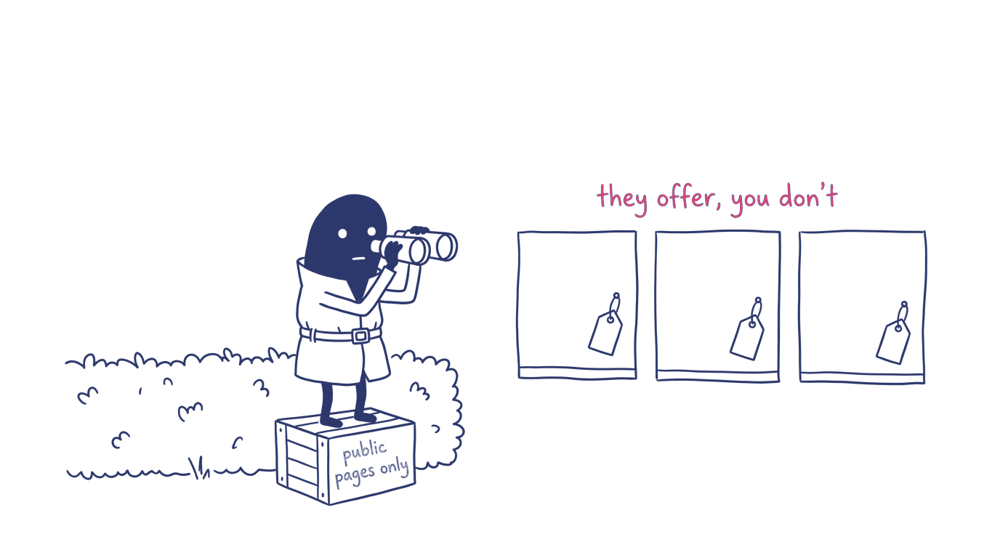
A side-by-side table of the clinics around you. What they charge, how they bundle it, what they sell, and a column you have probably never made: what they offer that you do not.
Three moves sized to your team, and the same scan every month, telling you only what changed.
A blog post that answers a real question first, then a recipe saved so every week's post is written the same way.
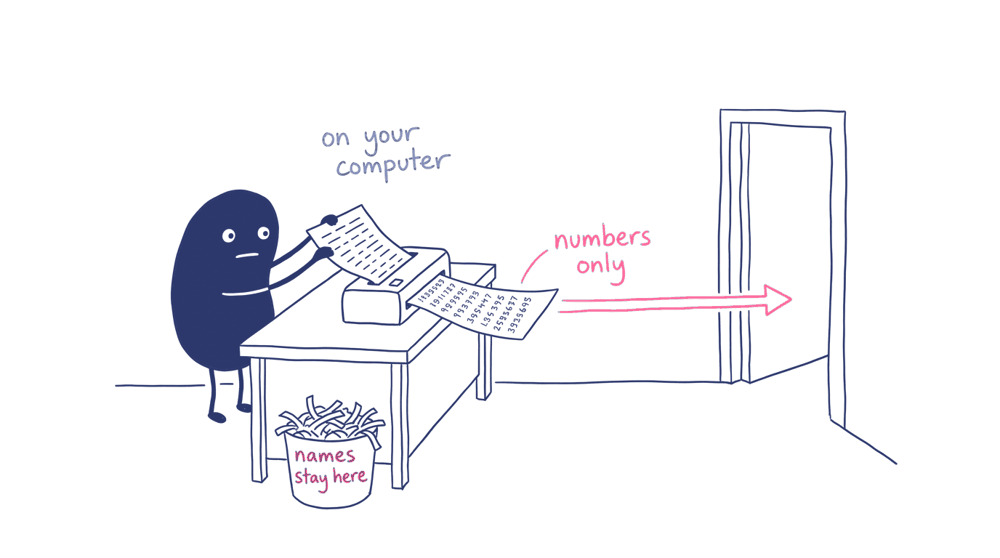
Patient information never goes in. The competitor scan reads public web pages only, and the blog recipe never uses a patient story, not even a made-up one. Nothing on this page posts or publishes anything. It drafts, and you decide.
Part AThe competitor scan, about 25 minutes
It reads the public websites and Google listings of the clinics around you and brings back one page you can read with your team. I use a tool called Apify for this. Apify is a library of small robots that read the web, and its free plan gives you $5 of use a month with no credit card, which is plenty for three clinics. I am not paid by Apify. I use it.
Connect Apify, about ten minutes
- Make a free account at apify.com.
- In Claude: Settings, then Connectors, then add a custom connector with the address
https://mcp.apify.com, and sign in to Apify when it asks. Custom connectors need a paid Claude plan. - In ChatGPT: custom connectors are added in Settings on the web, on a paid plan, with the same address. The menu names move between versions, so if you cannot find it, search ChatGPT's help for "custom connector".
- On Gemini, or without Apify: Skip the connector. The prompt below still works with the web search built into all three tools. It is slower and less thorough, and you still get the table.
- Then open a new chat in your Marketing Hub, turn Apify on for that chat, and paste Prompt A.
You are my competitor analyst. Your job in this chat is to show me, on one page, what the clinics around me offer, what they charge, and what they offer that I do not, so I can decide what to do about it. You research, I decide.

About my clinic:
- Read this Hub's instructions and any brand-guide file first. If they do not tell you, ask me in one message for: my clinic's name, my town, my main services and what I charge for each (an initial visit and a follow-up at least), and any products I sell.
- The competitors: [name up to three clinics, or write "find the three closest clinics that offer what I offer, within 20 km of my town"].

Rules you follow the whole way through:
1. Public information only: their websites, their Google listing, their public social pages. Never log in anywhere, never get past a paywall or a booking login, never contact anyone, never pretend to be a customer.
2. No personal details about people. Practitioner names and credentials as listed on a website are fine. Reviewers' names, photos and anything about a patient are not. Report review themes only.
3. Every fact gets its source: the page it came from and today's date. If you cannot find something, write "not found". Never guess a price.
4. Prices exactly as listed. Say whether tax looks included, and flag anything that looks out of date.

If you have Apify connected, use it: a Google Maps scraper for the listings, ratings and review themes, and a website crawler for the services, prices and products pages. If not, use web search. Tell me in one line which you used.

Give me the answer in this order:

1. The side-by-side table. One column for my clinic, one for each competitor. Rows:
   - services offered
   - price of an initial visit
   - price of a follow-up
   - packages or bundles (what is in them and the price)
   - products sold
   - offers for new clients
   - direct billing to insurance
   - online booking (yes or no)
   - evening or weekend hours
   - Google rating and number of reviews
   - the first thing their homepage tells a visitor

2. They offer, you don't. A short list of every service, bundle, product or convenience at least one competitor has and I do not, with who has it.

3. Nobody offers it. Anything people in my town are likely looking for that none of us offer, based on what you found. Mark these clearly as your inference.

4. What their reviews praise and what they complain about. Three themes each, in your words, no names.

5. Three moves for me. For each: what to do, why it would work here, the effort (low, medium, high), and what it needs from my team. Only suggest things my clinic can deliver with the services and team you know about. If a move depends on capacity you have not been told about, say so.

Then end with three short lists: what you could not find, what would make this scan 20 percent better, and what you need from me.

Last, offer to turn this into a monthly scheduled task that runs the same scan and tells me only what changed since last month. Do not set it up until I say yes.
What to do with the answer
- Read the "they offer, you don't" list with your team, not alone. The right move depends on who has room.
- Pick one of the three moves and ask your Hub to draft the first piece of it, in your voice.
- Say yes to the monthly scan. Once is interesting. The same scan every month, showing only what changed, is how you notice a new clinic opening or a price change before your phone goes quiet.
Part BThe blog recipe, with SEO and AEO, about 20 minutes
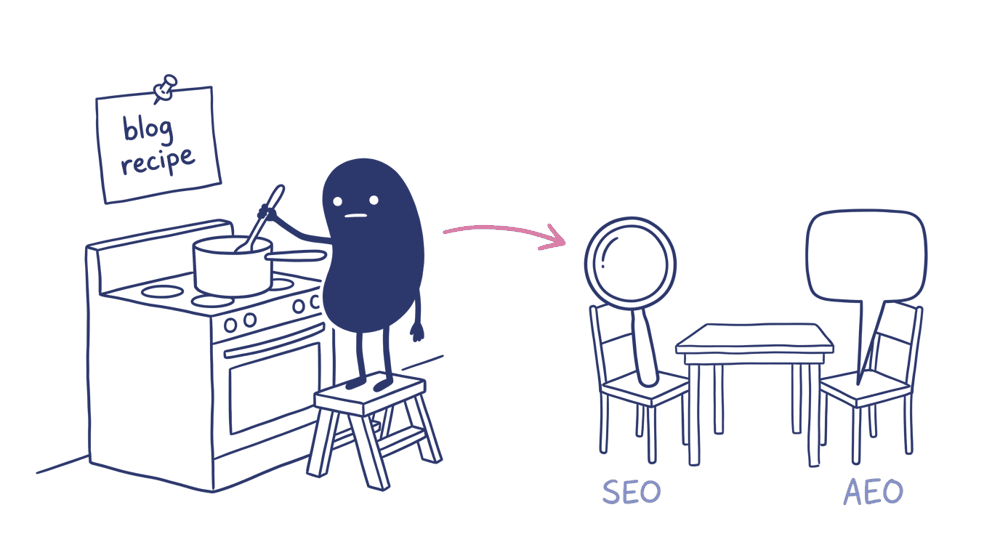
A blog post now has two readers. One is Google: being found there is SEO, search engine optimization. The other is the AI people ask instead of Googling: being the answer it quotes is AEO, answer engine optimization. Both reward the same three habits. The post answers one real question, the answer comes first in plain words, and the rest is easy to scan. Most clinic blogs open with a paragraph about the clinic. This recipe opens with the answer.
- You need your Marketing Hub with its brand guide (Steps 1 and 2 of Build Your Marketing Hub), and a question you get asked in the clinic. Or let it find one.
- Open a new chat in the Hub, paste Prompt B1 with your question filled in, and read what comes back.
Write this week's blog post for my clinic's website. Read this Hub's instructions and the brand-guide file first, and write in that voice.

The topic: [a question you get asked in the clinic, for example "why does my heel hurt first thing in the morning"]. If I have not given you one, search for the questions people in [my town] ask about [my main service], show me five, and wait for me to pick one.

Follow this recipe exactly:
1. The title is the question, in the words a person would type. Under 60 characters.
2. The first two or three sentences answer it plainly, in under 60 words, as if the reader only reads that far. No introduction, no "in this post".
3. Then three to five sections. Each heading is a question a reader would ask next. Short paragraphs, plain words, Canadian spelling.
4. Mention my town once or twice where it reads naturally.
5. One clear next step near the end: how to book, with [booking link] in square brackets.
6. Finish with an FAQ of four short questions and answers that are not already covered above.
7. Length: 800 to 1,200 words.

Rules for anything about health:
- Never promise a cure or a result.
- Never invent a statistic, a study or a quote. If a fact needs a source, find a reputable one, link it, and mark it [CHECK] so I can read it before posting.
- No patient stories, not even made-up ones.
- If the honest answer is "it depends, see someone", say so.

Under the post, give me:
- An SEO title (under 60 characters) and a meta description (under 155 characters).
- A short web address ending, like /heel-pain-morning.
- Two places on my own website this post should link to, in [square brackets].
- The FAQ again, formatted so my website person or my website's FAQ block can mark it up for search engines.
- Three short lists: what you missed, what would make this 20 percent better, and what you need from me.

Do not publish anything. This is a draft for me to read.
Once you have a post you love, run Prompt B2 in the same chat. It saves the recipe so next week's post is written exactly the same way.
That post is exactly how I want every blog post written. Turn the recipe you just followed into a skill called "blog recipe" that you will follow every time I ask for a blog post, so the result is the same quality every week. Include the voice rules from my brand guide, the recipe steps, the health rules, and what goes under the post. Then tell me in plain steps how to save it in this tool, and how to pair it with a scheduled task that drafts my blog every week.
The rest of the talk, one sentence to start each
| From the talk | What it gives you | Start with this sentence |
|---|---|---|
| Posts that schedule themselves (Blotato) | A month of Instagram and Facebook posts, approved by you, queued on the days you choose | "Draft four weeks of posts from my brand guide, one a week for each channel, and wait for my yes on each before anything is scheduled." |
| The clinic Brain (staff interviews) | A card for every person on your team: who they are, what kind of practitioner, who they love to treat, education, capacity, what they do not do | "Interview me about one team member, one question at a time, then write their staff card. I have their permission." |
| Strip the names first | A cleaned copy of your clinic export that is safe to bring to AI | "Before I upload anything: list every column in a clinic export that could identify a person, so I can delete them on my own computer first." |
| The scorecard | What a client is worth, value by practitioner, and your three leaks | "From this cleaned file, tell me the average visits per client, how many stop after one visit, and how many finish without the last visit booked." |
| Ads you build yourself | A first ad built from your clinic, your competitors, a framework and your numbers | "Using my competitor scan and my brand guide, write three versions of one ad for [service], as drafts." |
| Your own receipt | Your Buy Back Your Time receipt, with the money column | "Here is what I pay now or was quoted for ads, social and my website. Build my receipt with three columns: time in once, hours back each week, money not spent." |
Start at the beginning with Build Your Marketing Hub if you have not built one yet. If you want me beside you while you build the rest, start with the free audit at The Bottom Line or write to me at kristen@blueberrytherapy.ca. I am not paid by Apify or Blotato. I use them.